
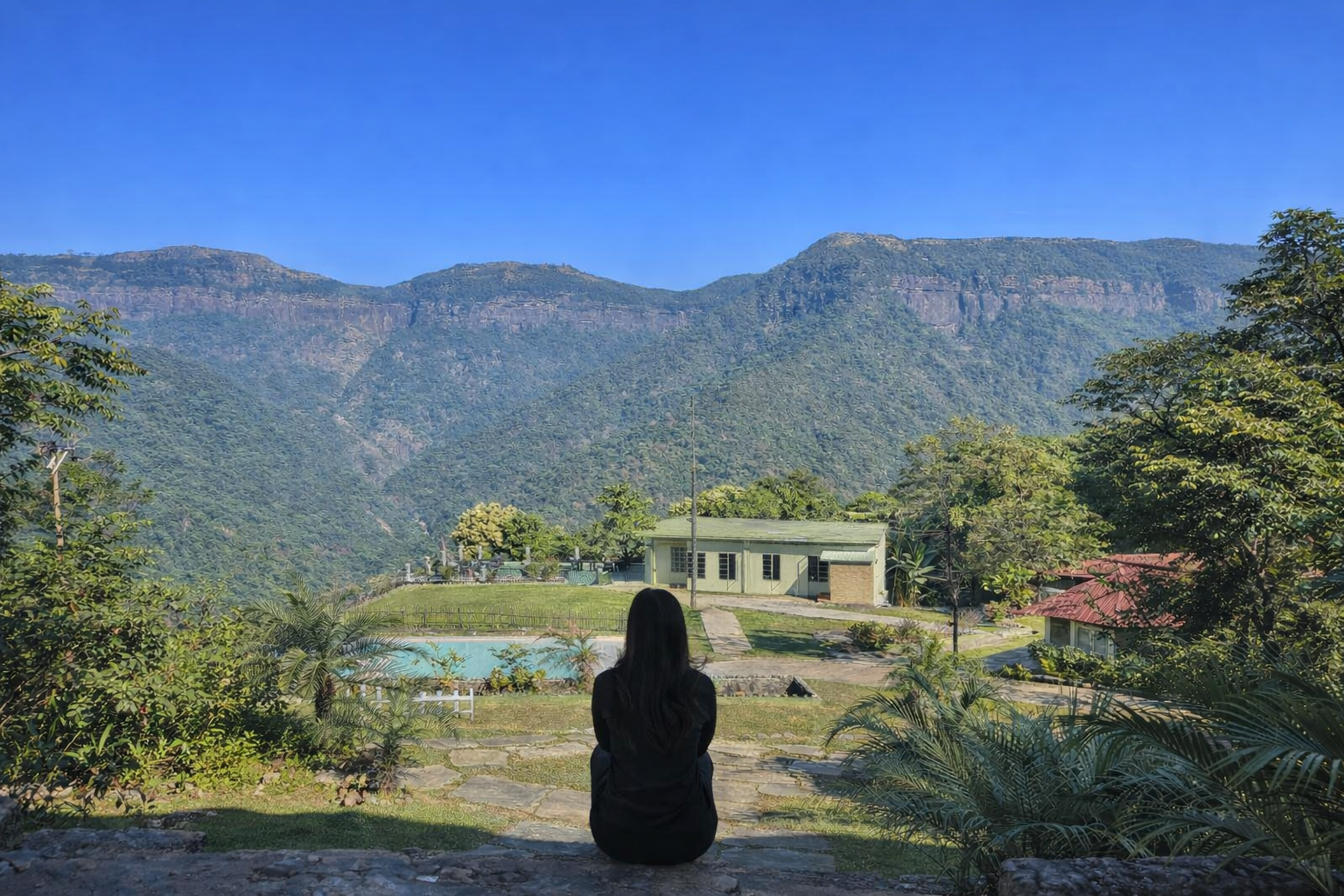
I often wonder: Is the self something we discover, or something we create?
What is the “true” version of me if I am different with different people, if I shift my intellect, my tone, even my emotional intelligence to fit into various boxes of life, generations, and worlds? And perhaps the other person is doing the same with me.
So then, who am I really?
If I am soft with one person and sharp with another, thoughtful in one room and quiet in the next, which version is real? Or are they all real? Maybe the self is not a fixed object waiting to be found, but a living thing, shaped by context, pressure, love, fear, and desire.
And that brings me to another question that haunts me:
Who am I without my achievements?
I used to believe that it is the heart that is valued more than possessions. That kindness, sincerity, and depth matter more than what we do or have. But as I grow older and move through different spaces, local and international, professional and personal, I start noticing something uncomfortable.
A lot of the attention I once received was not because of who I was, but because of what I did.
Or how confidently I behaved.
Or how I looked at that time.
I have felt people’s kindness, yes, but I have also felt how easily it shifts. I have seen how behavior changes when someone appears uncertain, underconfident, in a rage or vulnerable. How quickly the world takes advantage of softness or curses you on your anger when it does not come with status or success attached.
It makes me ask:
Are we loved for our being or for our usefulness?
And if the love fades when the usefulness fades, what does that say about the self underneath it all?
Maybe that is why so many people surrender to religion, to spirituality, to belief systems that offer something steady when the outer world feels unstable. Religion gives us a structure where we can place our fear, our confusion, our longing. It allows us to surrender to a God, a higher power, a form we visualize, a mantra we repeat, a story we believe in. In that surrender, there is comfort. There is relief in not having to carry everything alone.
When we close our eyes and pray, chant, or meditate, we step out of the performance of the world. We stop proving. We stop competing. We stop justifying. For a moment, we are simply allowed to be small, uncertain, human. Religion tells us we are loved not because of our achievements, but because we exist. That idea can feel like oxygen in a world that constantly measures us.
But I wonder if that comfort always leads us inward, or if it sometimes just soothes the surface.
Do these systems really help us understand who we are without applause, without roles, without titles, or do they just replace one kind of validation with another, divine instead of social?
Because even in love, we are often validated for what we provide.
A life partner makes us feel safe, chosen, and emotionally held. There is deep comfort in knowing someone wants you, sees you, builds a life with you. But even here, we are often loved not just for who we are, but for how well we meet needs. We are appreciated for being caring, understanding, stable, attractive, supportive, strong. We feel valuable when we cook their favorite meal, listen patiently, adjust, sacrifice, show up. Love becomes a mirror, and we start recognizing ourselves through how needed we are.
Similarly, family gives us identity before we even know who we are. We are someone’s daughter, son, sibling, grandchild. They make us feel rooted. They give us belonging. But they also give us roles. The responsible one. The sensitive one. The successful one. The rebel. We grow into these labels, and slowly they begin to feel like the self. Their approval becomes a quiet currency. Their disappointment feels like a personal failure.
Society does the same. It tells us what success looks like. What respect looks like. What being “enough” looks like. We serve its needs, work its systems, play its games. When society claps, we feel real. When it ignores us, we start doubting our existence.
So the unsettling question remains.
If no one needed me.
If no one praised me.
If no one recognized me.
Would I still know who I am?
And would I still be okay?
Maybe the self is not something we discover or create, but something we slowly learn to sit with when everything else falls silent.
And maybe that is the hardest part of all !


Leave a Reply